A Guide to Pad Flanges on Tanks
This article explains pad flanges on tanks. You might also hear them called “studding outlets” or “pad flange mounted nozzles”. They are a key component for adding connections to pressure vessels and storage tanks without major design changes.
What is a Pad Flange on a Tank?
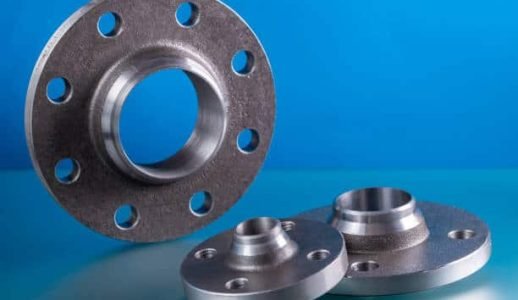
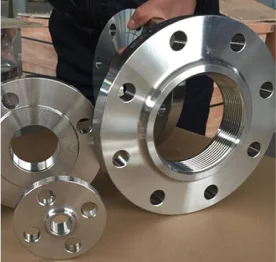
A pad flange is a specialized, compact flange welded directly onto the wall of a tank or vessel. Its main job is to provide a strong, sealed connection point for other equipment. Unlike a standard pipe flange that connects two pipes end-to-end, a pad flange creates a new outlet on the side of a tank.
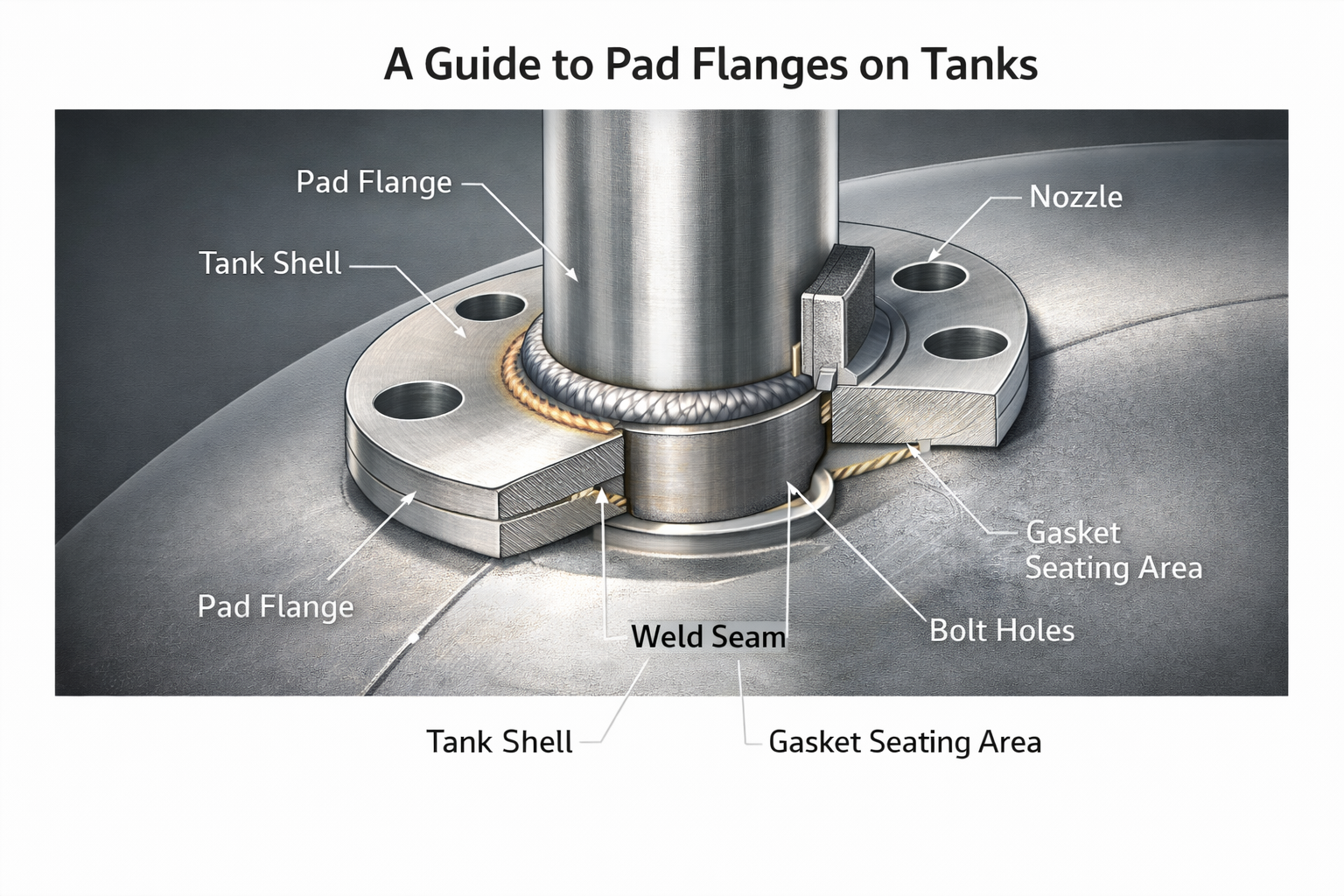
The key design feature is a compact hub that minimizes projection both inside and outside the tank. This saves space, prevents internal flow obstruction, and allows for the flush mounting of instruments.
Common equipment mounted to pad flanges includes:
- Sight Glasses: For visual inspection of tank contents.
- Level Gauges: To measure liquid or gas levels.
- Valves & Instruments: Such as sample valves, pressure sensors, or temperature gauges.
Key Design, Types, and Materials
Choosing the right pad flange depends on your tank’s shape and the application’s needs.
Mounting Types
Pad flanges are categorized by how they fit the tank’s curvature:
| Mounting Type | Description | Best For |
| Flat Bottom | Has a flat sealing surface. The most common and standard type. | General use, flat tank surfaces, or where internal contouring is not required. |
| Shell or Head Mount | The backside is contoured (radiused) to match the curvature of a tank’s cylindrical shell or spherical head. | Provides a flush fit for a stronger weld and smoother internal flow on curved surfaces. |
| Tangential Mount | Offset from the centerline; the least common type. | Specific layouts where space or internal components prevent central mounting. |
Face Types and Pressure Ratings
- Face Type: They come with either a Flat Face (FF) for low-pressure gasketless seals or a Raised Face (RF) to accommodate a gasket for a tighter, leak-proof seal in pressurized applications.
- Pressure Class: Standard pressure classes range from 150# to 2500#. Class 150 and 300 flanges have a 1/16″ raised face, while higher classes have a 1/4″ raised face.
Materials
The material must be compatible with the tank contents and environment. Common choices are:
- Carbon Steel (e.g., ASTM A105): Cost-effective for general, non-corrosive services.
- Stainless Steel (e.g., 304/316): For corrosion resistance in chemical, food, or marine environments.
- Alloy Steels: For high-temperature or high-strength applications.
- Exotic Alloys: Materials like Hastelloy, Monel, or Duplex stainless steel are available for extreme corrosion or temperature conditions.
Dimensions and Standards
Pad flanges from 1/2″ to 24″ generally follow ANSI/ASME B16.5 dimensional standards. This ensures the bolt holes and facing will match standard valves, gauges, or other flanged equipment.
For reference, here are key dimensions for common Class 150 Flat Bottom pad flanges:
| Nominal Size (NPS) | Flange OD (O) | Min. Thickness (T) | Bolt Circle (C) | # of Bolts |
| 1″ | 4.25 in | 1.25 in | 3.12 in | 4 |
| 2″ | 6.00 in | 1.50 in | 4.75 in | 4 |
| 4″ | 9.00 in | 1.50 in | 7.50 in | 8 |
| 6″ | 11.00 in | 1.75 in | 9.50 in | 8 |
| 8″ | 13.50 in | 1.75 in | 11.75 in | 8 |
Important Note: The required thickness must be calculated per ASME Section VIII, Division 1 pressure vessel code for your specific design pressure and temperature. The values above are common minimums.
Frequently Asked Questions
Q: Is a “pad flange” the same as a “studding outlet”?
A: Yes. The terms are completely interchangeable in industry parlance.
Q: Can I install a pad flange on an existing, in-service tank?
A: Yes, but it requires careful hot work procedures (welding) and may necessitate draining and cleaning the tank. For attaching external supports without welding, cold bonding methods exist as an alternative.
Q: How is a pad flange attached to the tank?
A: It is welded directly to the tank shell or head. Proper welding procedure and inspection are critical for a leak-proof, strong connection that maintains pressure integrity.
Q: Why would I choose a contoured (radiused) pad flange over a flat bottom one?
A: Contouring the backside to match your tank’s curvature ensures a flush fit. This creates a stronger weld and, crucially, avoids creating an internal ledge that could disrupt flow or allow material buildup inside the tank.
Conclusion
A pad flange is a practical and engineered solution for adding secure connections to tanks. Its compact, low-profile design makes it ideal for mounting instruments while maintaining tank integrity. Success depends on selecting the correct type, material, and pressure rating, and ensuring it is designed and welded in compliance with the applicable pressure vessel codes.
Need a pad flange (studding outlet) for your tank project? Our team can provide standard or custom-designed flanges contoured to your vessel’s specifications. Submit your requirements for a quote or technical discussion here: http://texasflange.com/lp12/